
Safety Boots at Work: Protection Types to Confirm Before Ordering
Safety boots at work turn on a single discipline: state the hazards, ask which protection type applies to each work setting, and confirm it before ordering. This guide sets out the hazards, the settings, the water and ground questions, and the confirmation routine — with no rating claimed for any boot.
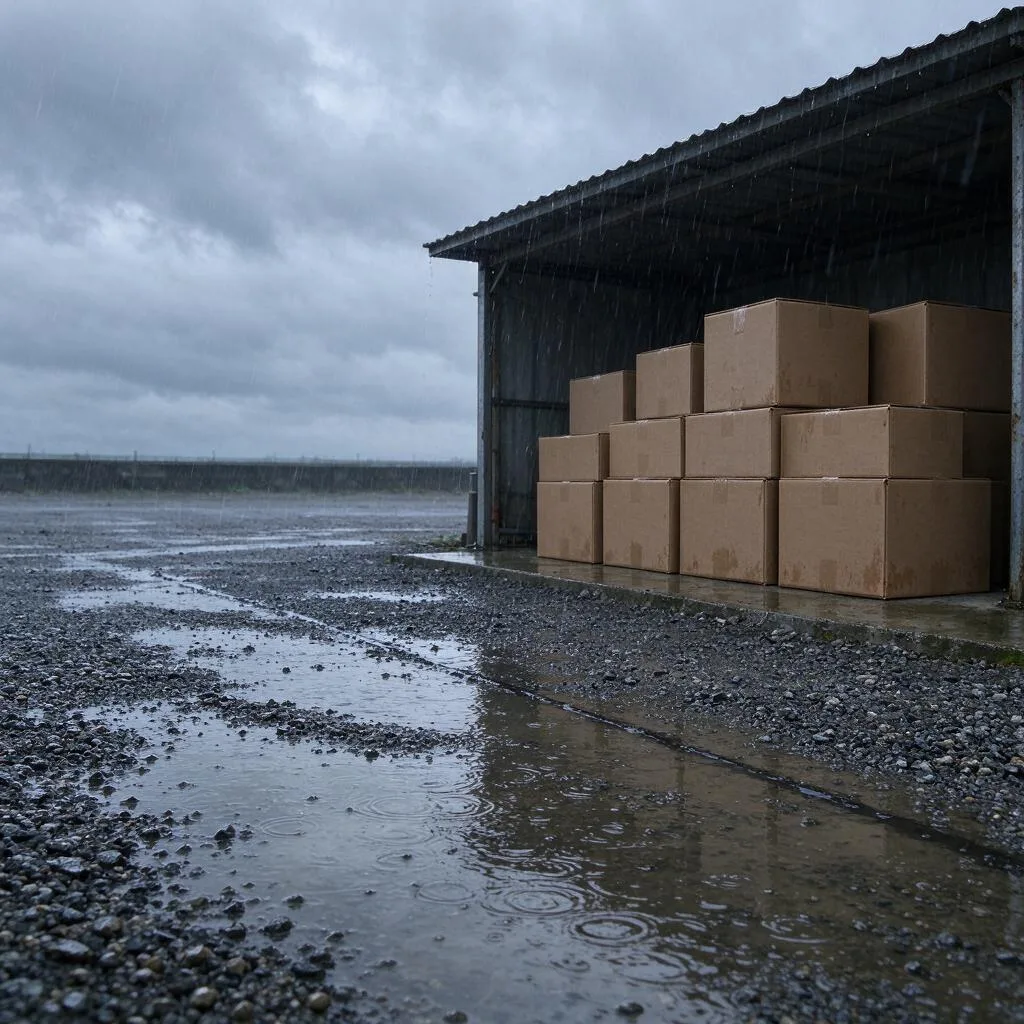
The work setting comes first
Every safety boot decision starts with the work setting, described in plain words. A yard, a workshop, a building site, a farm building and a store are five different settings, and each carries its own pattern of hazards, ground, hours and weather. Describe the setting first: what the place is, what work happens there, and how the wearer spends the day — walking, standing, climbing, or a mix of all three. Then describe the ground: soil, gravel, stone, a hard surface, wet ground or ground that turns to mud. A buyer who describes the setting and the ground together puts the workplace to confirm in the inquiry. A buyer who only names a protection phrase leaves only a word in the inquiry, which may not match the workplace.
The hours belong with the setting. A short day in a yard and a full day on a building site are different uses even when the hazards look alike, and a day that mixes walking with long still periods outdoors is a third. State the hours, the pattern of movement, and the season and weather, because wet and cold ground change the questions alongside the hazards. The work boots guide walks through the same setting questions for the wider work use, and the safety boots page covers the safety family itself. Read both before writing the inquiry, and carry the setting description across unchanged, so the inquiry, the guide and the family page all describe the same workplace.
Naming the hazards in plain words
Hazards should be named in plain words, as the wearer meets them. Things that fall onto the foot, things that press on the foot, sharp ground underfoot, and anything else the setting presents should each be stated separately, with the setting they belong to named alongside them. Do not compress the hazards into a single phrase, and do not borrow a protection word from a search result and treat it as the hazard list. The hazard list is the buyer's own observation of the workplace, and it is the most valuable part of the inquiry, because it is the part no catalogue can supply. A buyer who has walked the setting and named what was seen has done the work the inquiry needs.
Each hazard should be tied to the setting where it appears. If one setting in the order carries a hazard another does not, keep the settings separate in the inquiry, and keep the hazard list with the setting it belongs to. A merged hazard list for several settings states every hazard for every setting, which is both wasteful and misleading. A separated list states the protection question for each setting separately in the inquiry, and the buyer can file any confirmations received setting by setting, with the quote. The safety boots guide sets out the same discipline for the toe protection decision, and this blog applies it to the whole working day.
The protection questions
The protection questions follow the hazards, one question per setting: which protection type applies to this setting, and what should the buyer confirm about it before ordering? Ask the question in the inquiry, in the same message as the item list, and ask it for every setting in the order, not just the setting that seems most hazardous. If the answer differs by setting, the order should reflect the difference, with the protection questions kept with the settings they belong to. Ask for a separate confirmation for each setting in the inquiry, and do not accept a single answer for several settings. Ask for any confirmation in writing, and keep any confirmation received with the quote.
Protection words from search phrases are questions on this page, never claims. A buyer who has seen a toe protection phrase in a search result should bring the phrase to the inquiry as a question — does this type apply to this setting, and what should be confirmed about it? — and should wait for the confirmation. The same rule applies to every protection word the buyer may bring, and to every hazard the setting presents that has no familiar phrase at all: state the hazard, ask what applies, confirm before ordering. This site publishes no rating, no standard designation and no specification for any safety boot, so keep any confirmation received, and any documents received, with the quote.
Water, ground and the confirmation routine
Water and ground questions belong in the same inquiry as the protection questions. Describe the water exposure in plain words about depth and duration, on the terms of the page on water exposure, and confirm what applies to it. Describe the ground under the water and the sharp or uneven ground the wearer meets, and confirm what applies to that. Describe how the boots are checked and cared for in work use, and confirm the care routine before ordering. A safety boot order that carries the hazards, the settings, the water, the ground and the care questions together is complete in a single message, and any confirmations received can be kept together with the quote.
Ordering for several settings at once
Most safety boot orders serve several settings at once, and the discipline of this guide matters most when the settings multiply. A yard, a workshop and a building site in one order are three settings, three hazard lists, and three sets of protection questions, even when the wearer groups overlap. Write one block per setting, with the ground, hours, hazards, weather, water and season together, and keep the protection question with the block it belongs to. State the quantities for each block, marking estimates as estimates, and say which blocks are firm and which are still being walked and observed. A buyer who orders for several settings should walk each setting before writing the inquiry, or should ask the people who work each setting to describe it, because a hazard list written from a desk will miss the hazard the wearer meets every day.
When the settings have been walked and the blocks written, read the blocks back as a whole and look for the setting that was described thinnest. The thinnest block is usually the setting nobody visits often, and it is the setting most likely to carry an undescribed hazard. Walk it again, or ask again, before the inquiry is sent. The wholesale boots page sets out how to structure a bulk inquiry with several settings, and the work boots guide sets out the step-by-step questions for the wider work use. Both should be read before a multi-setting safety order is written, so the blocks are complete in a single message and any confirmation received can be kept with the quote, setting by setting.
The confirmation routine is simple to state and worth following exactly. State the hazards, setting by setting. Ask which protection type applies to each setting. Ask for it in writing before ordering. Confirm the water, ground and care questions in the same message. Keep any confirmation received with the quote, and treat the inquiry as sent as the record of what was ordered. No order for safety boots should be placed until the protection type for each setting has been confirmed, and no search phrase should be treated as a substitute for that confirmation. That discipline is the whole guide, and it is enough.
Related pages
Send an inquiry
State the hazards and settings, confirm the protection type, then send your item list and quantities for a quote.