
Safety Boots
Safety boots are a listed line of Hangzhou Fujie Outdoor Products Inc., recorded for the company in the sheet record: boots for work use, where the protection the boots carry must be confirmed before ordering. This page stays at family level. It publishes no rating and no standard designation, and it helps a buyer describe the work before writing an item list.
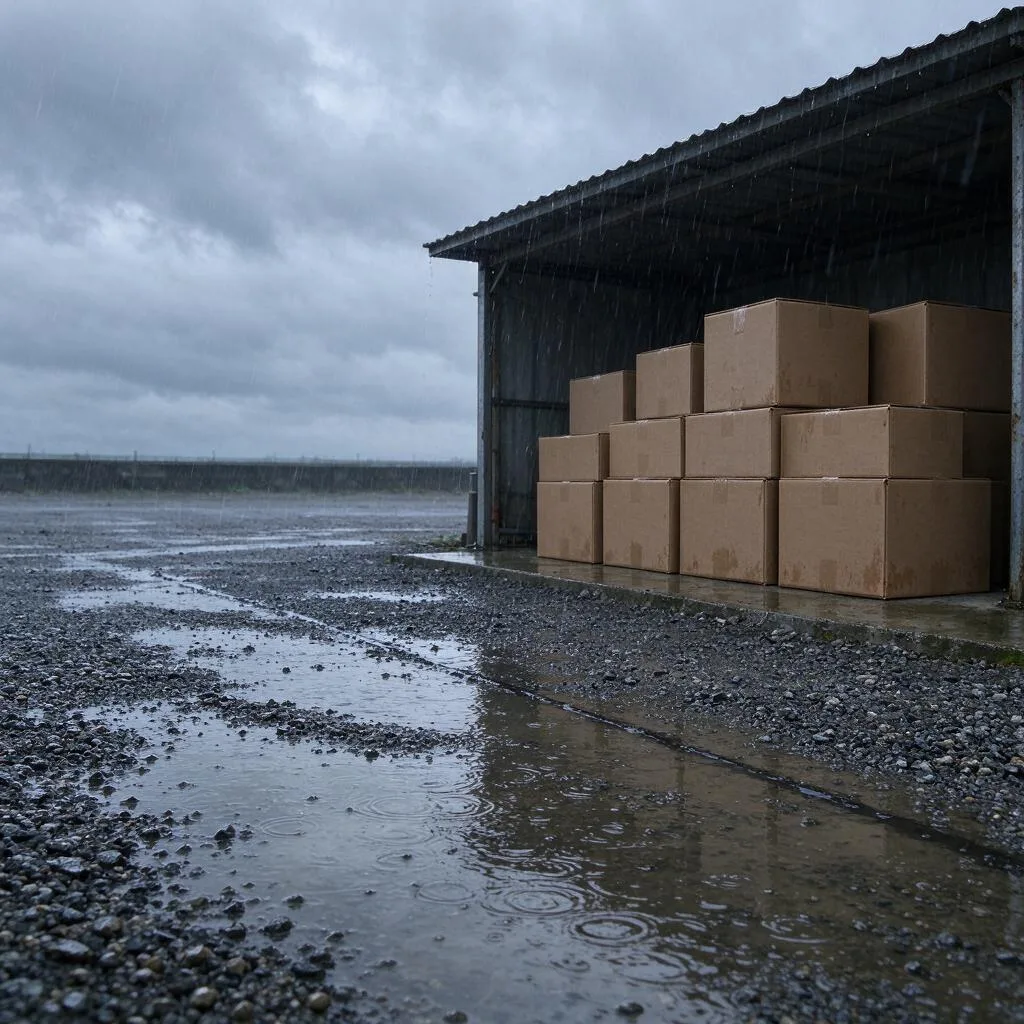
Where safety boots are used
Safety boots serve work where the feet face hazards the buyer must name, not assume. Yards, workshops, building ground, farm buildings and stores all appear in safety boot orders, and each work setting carries its own hazards: things that fall, things that press, sharp ground, wet ground, and long hours standing or walking. A buyer sorting an order should describe the work setting in plain words, the hazards the wearer actually meets, and the hours the boots are worn. That description is the whole basis for the protection question, and it cannot be replaced by a product name. The safety boots guide sets out the protection questions step by step, and it should be read before the item list is written.
The work boots guide is the companion page for the wider work use, and the two pages divide the work cleanly. The work boots guide covers how to choose boots for work in general: the ground, the hours, the weather and the wearer groups. This page covers the safety family itself: the boots whose protection type must be confirmed. A buyer ordering for work should read both, describe the work once, and then split the inquiry into the safety items and the general work items, keeping the protection questions with the safety items. The page on water exposure is the right companion when the work also involves water exposure that must be described and confirmed.
Sorting an order by work setting
Sort the order by work setting and by hazard, not by a single total. For each setting, note the ground, the hazards in plain words, the hours worn, and whether the wearer walks, stands or climbs. Note the wearer groups for each setting and the quantities for each group, marking estimates as estimates. If one setting carries hazards another does not, keep the settings separate in the item list, and say which hazard matters most in each setting. A list sorted by setting and hazard states the protection question for each setting separately in the message, instead of merging the settings into a single total with a single answer that fits none of them.
The destination market belongs in the same message, because the documents and the protection questions that apply can differ by market. Name the market, name any documents to be requested, and remember that certificates are available upon request: ask for the documents themselves rather than assuming any particular document. State the season and the weather the work faces, because wet and cold ground change the questions alongside the hazards. A complete description — setting, hazard, hours, season, market — puts the whole work setting in a single message.
What to confirm before ordering
Before ordering, confirm the protection type that applies to each work setting, and confirm it in the inquiry message, not after the order is placed. Confirm how the boots suit the ground and the hours described, confirm anything about wet ground or sharp ground, and confirm how the boots are checked and cared for in work use. This site publishes no rating, no standard designation and no specification for any safety boot, so keep any confirmation received, and any documents received, with the quote, and do not treat a listing title or a search phrase as a substitute for them.
Related pages
Send an inquiry
Describe the work and the hazards, confirm the protection type, then send your item list and quantities for a quote.