Hiking Boots vs Hiking Shoes
This page is a comparison guide only. It compares hiking boots with hiking shoes so a buyer can describe the ground, the distance and the load, and settle which kind of footwear the trail calls for. It does not present hiking shoes as a supplied product. The hiking boots family page covers the boots that this company lists.
What the comparison settles
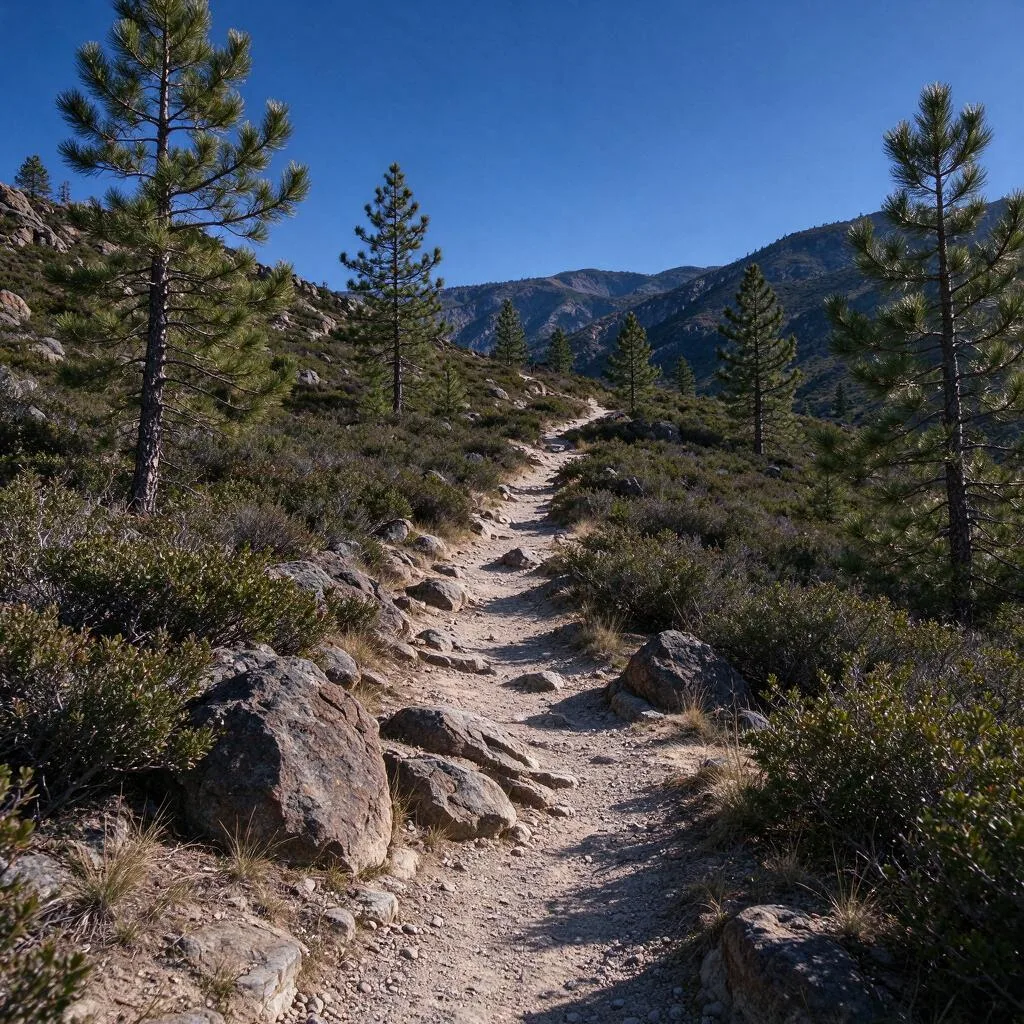
The comparison settles one question: what does the trail ask of the footwear? A short walk on a smooth path, a long day on rocky ground, and a steep trail with a heavy load are three different answers, and the footwear that serves one may not serve another. The buyer should describe the hardest trail in the order, the longest distance in a day, and the load carried, in plain words. Those three details — ground, distance and load — are the whole comparison. A buyer who can state them has already settled most of the choice; state the ground, distance and load in the inquiry, with the choice stated as settled in the message.
The ground decides first. Smooth paths, woodland floors, rocky ground, steep sections and wet crossings each ask different questions, and a trail that mixes them asks the hardest one of them. The distance decides second: a short outing and a full day on the trail are different uses even on the same ground. The load decides third: walking unloaded and walking with a pack change what the footwear must do through the day. State all three in the inquiry, and say which trail is hardest, and put the hardest trail first in the inquiry, instead of averaging the order into a single answer.
How to use this guide
Use this guide before writing the item list, not after it. Read the hiking boots page alongside this page, and note which ground, distance and load settled the choice for each group of wearers. If the choice is still open for some groups, say so in the inquiry and mark those groups as undecided, with the open question stated plainly. A guide page earns its keep when it turns an open choice into a stated question, because a stated question can be put as a confirmation question in the inquiry, while an unspoken assumption can only be discovered after the order arrives.
The season and the weather belong in the same description. A trail in a dry season and the same trail in a wet or snowy season are different uses, and the inquiry should name the season and the weather the wearer will face. The snow boots page and the winter boots guide are the right companions when the trail includes snow, and the waders pages are the right companions when the trail includes standing in water. State the destination market in the same message, with any documents to be requested named alongside it. Certificates are available upon request.
What to confirm before ordering
Before ordering, confirm the choice this guide helped settle. Confirm how the boots suit the ground, distance and load described, confirm anything about wet crossings, steep ground or snow, and confirm how the boots are cared for after a trail day. If any group in the order still sits between the two kinds of footwear, say so and confirm that group separately. Put these questions in the inquiry, in the same message as the item list and quantities, and keep any answers received with the quote. This page claims no supply of hiking shoes and publishes no specification, so keep any confirmation received, and any documents received, with the quote.
Related pages
Send an inquiry
Settle the trail question, then send your item list and quantities for a quote.