
Hip Waders
Buyers who stand in shallow water often ask about hip waders: waders described by buyers for water that stays below the hip. This page is a selection-guidance page only. It helps a buyer describe the deepest water in plain terms. Ask whether hip waders are listed by the company, and ask what applies to the deepest water described, before writing an item list. It publishes no size and no specification.
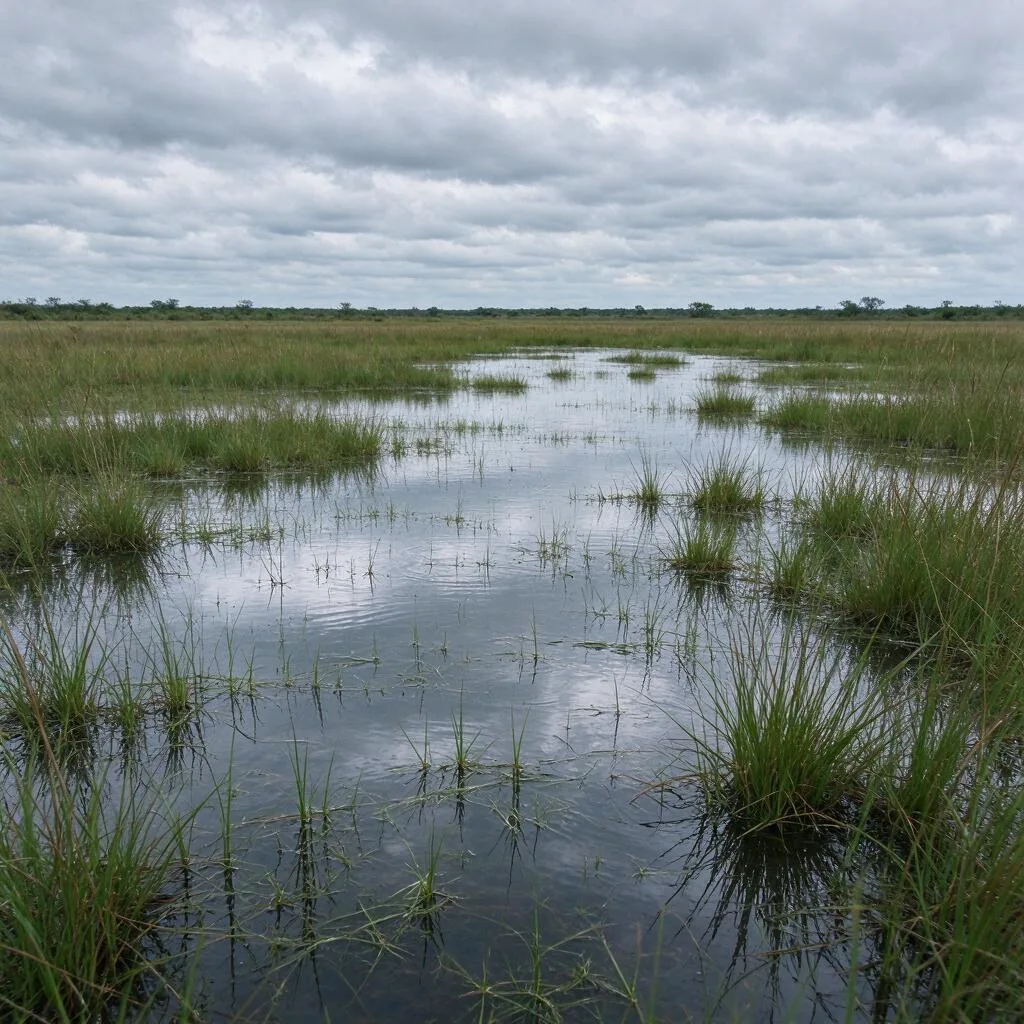
Where hip waders are used
Hip waders are used where the water stays shallow: marsh edges, lake edges, shallow riverbanks and wet ground where the wearer steps in and out of water that never rises high. The description that matters is the shallowest claim the buyer can honestly make: the deepest water the wearer will stand in, described in plain body terms, and the assurance that the water truly stays below the hip through the whole day. If the water can rise higher — after rain, on a rising river, or where the bed drops away — the buyer should say so, because that single fact can move the order to chest waders. A buyer who describes the deepest water honestly has settled the main question for this sub-family.
The other wader pages frame the choice by depth. Chest waders cover the deepest standing water. Fishing waders cover the fishing use. Neoprene waders sit with the neoprene family, for long water work. The comparison of waders and rain boots draws the line against boots for buyers whose water is shallow enough that boots might serve, and the guide on how to choose waders walks through the depth questions step by step. Reading those pages before writing the item list is the fastest way to place an order in the right sub-family.
Sorting an order by shallow water
Sort the order by the shallow water each group of wearers will stand in. For each group, note the deepest water in plain terms, whether the water moves or stands, how long the wearer stays in it, and whether the wearer stands, walks or steps in and out. Note the bed under the water and the bank, and note anything that can change the depth through the day, such as rain or a rising waterline. State the quantities for each group and mark estimates as estimates. If the order serves more than one shallow water, keep the waters separate in the item list, because a still marsh edge and a moving shallow river are different uses.
The season and the hours belong in the same description. Standing in shallow water in a mild season and standing in shallow water in a cold season are different uses, and the inquiry should name the season, the hours in the water and the cold the wearer will face. State the destination market in the same message, with any documents to be requested named alongside it. Certificates are available upon request. A buyer who describes the water, the season and the market together puts the whole water description in a single message, with no open question about the water left undescribed.
What to confirm before ordering
Before ordering, confirm the questions that belong to shallow standing water. Confirm how the waders suit the depth and movement described, confirm what to check about the bed, the bank and anything that can raise the water level, and confirm how the waders are cared for after a day in water. If the wearer moves between shallow water and dry bank often, say so and confirm how that change should be handled. Put these questions in the inquiry, in the same message as the item list and quantities, and keep any answers received with the quote. This page publishes no size and no specification, so keep any confirmation received, and any documents received, with the quote.
Related pages
Send an inquiry
Describe the shallow water you will stand in, then send your item list and quantities for a quote.