
Neoprene Boots
Neoprene boots are the water-work family in the Hangzhou Fujie Outdoor Products Inc. listing: boots for work and days that stay in or beside water, where the wearer spends long stretches with feet in shallow water or on soaked ground. This page stays at family level and helps a buyer describe the water before writing an item list.
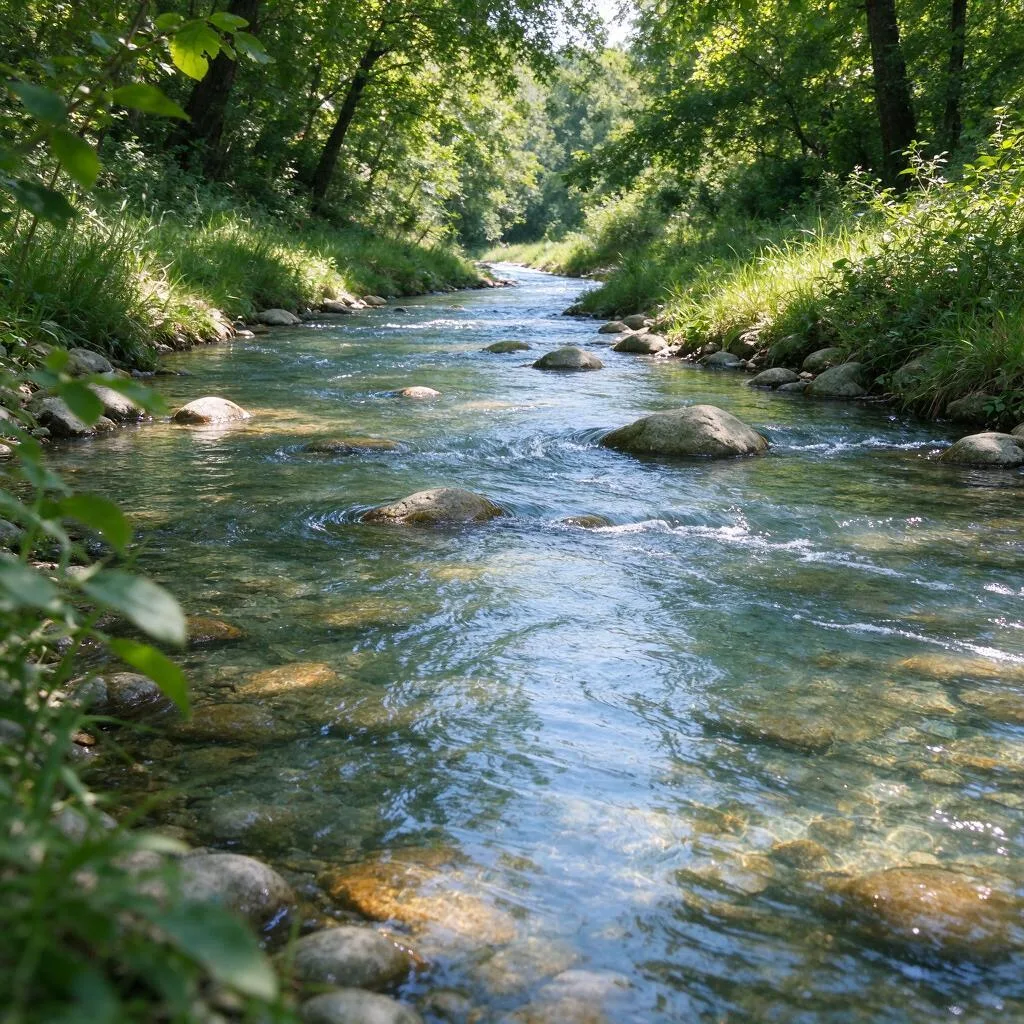
Where neoprene boots are used
Buyers consider neoprene boots when the water is not a passing puddle but the setting itself. Riverbanks, lake edges, marsh edges, wet fields and work that follows the waterline all belong here. The first description to settle is the water: how deep it is, whether it moves or stands, how long the wearer stays in it, and what the ground under the water feels like. A buyer who describes the water in those terms puts the water description in the message. A buyer who only writes the family name leaves the most important question — the water itself — undescribed; put the water description in the message.
Neoprene boots sit beside two neighbouring families, and the boundary between them is the water, not the boot. Rubber boots cover wet ground that is walked on. Waders cover standing in water that reaches above the boot. Neoprene boots cover the long middle: water work where the wearer is in and out of shallow water through the day, on banks and shallows, with feet wet for long stretches. The comparison of rubber boots and neoprene boots sets out the questions that separate the two, and the waders pages cover the deeper water. Reading those pages together before writing the item list is the fastest way to place an order in the right family.
Sorting an order by water
Sort the order by the water each group of wearers will meet. For each group, note the depth of the water, whether it moves, how long the wearer stays in it, and whether the wearer walks, stands or wades while working. Note the bank or bed under the water in plain words: stones, mud, reeds or a hard edge. Then state the quantities for each group and mark any estimate as an estimate. An order sorted by water reads very differently from an order sorted by a guessed item, because it shows where one family ends and another begins, and it makes it easy to split the order if two families are genuinely needed.
The season and the hours matter as much as the water. A short morning on a summer bank and a full day on a cold river edge are different uses even when the water looks the same, and the inquiry should say which one it is. State the season, the hours outdoors and the cold the wearer will face, in plain words, and ask what to confirm for those conditions rather than assuming an answer. The destination market belongs in the same message, with any documents to be requested named alongside it. Certificates are available upon request, and the request should name the market and name the documents to be requested.
What to confirm before ordering
Before ordering, confirm the questions that belong to the water and the day. Confirm how the boots suit the depth and the movement of the water described, confirm what to check about the ground under the water, and confirm how the boots are cared for after a day in water. If the wearer will move between water and dry ground, say so, and confirm how that change of ground should be handled. Put these questions in the inquiry, in the same message as the item list and quantities, and keep any answers received with the quote. The blog on neoprene boots for wet work sets out the same questions at greater length for buyers who want to work through them before writing.
Related pages
Send an inquiry
Describe the water and the day, then send your item list and quantities for a quote.