
Work Boots Guide
Choosing boots for work is a sequence of questions about the work itself: the ground, the hours, the hazards, the weather and the water. This guide walks through those questions in order, including the protection questions that must be confirmed before ordering, so a buyer can write an inquiry that states the ground, the hours, the hazards, the weather and the water in one message.
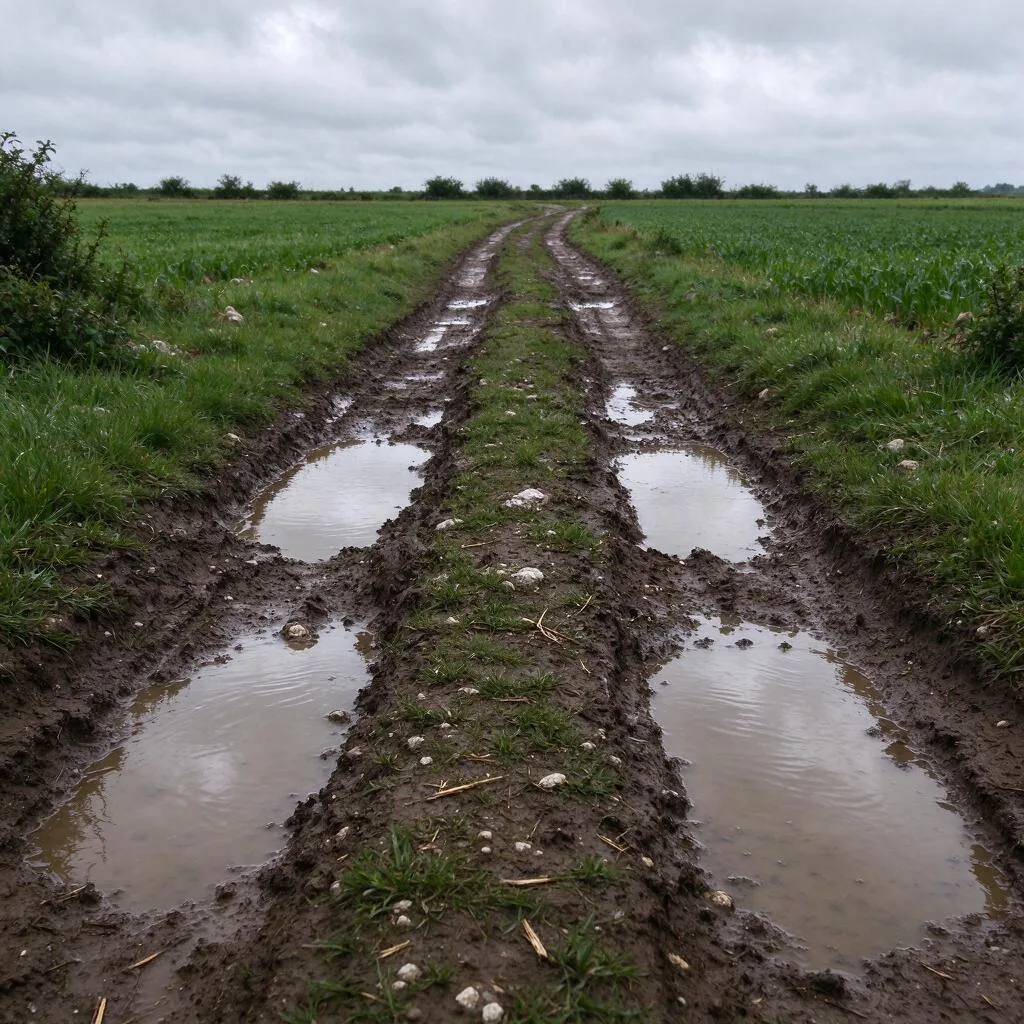
Step one: the ground and the hours
Start with the ground the work stands on: soil, gravel, stone, a hard yard surface, wet ground or ground that turns to mud. Describe the ground in plain words, and say whether it stays wet, whether it holds puddles, and whether sharp or uneven ground is part of the day. Then state the hours: how long the boots are worn, whether the wearer walks, stands or climbs, and whether the day includes long still periods. Ground and hours together define the work, because the same ground asks different questions for a walking day and a standing day, and the inquiry should carry both facts together.
Next, describe the weather and the water the work meets. Rain, puddles, soaked ground and shallow standing water each belong in the description, in plain words about depth and duration. The waterproof boots page helps a buyer describe water exposure without assuming a rating, and the waders pages apply when the work includes standing in water. State the season and the cold as well, because a work day in a mild season and the same work in a cold season are different uses. A buyer who describes ground, hours, weather, water and season together has described the work completely.
Step two: the hazards and the protection questions
State the hazards the wearer actually meets, in plain words: things that fall, things that press, sharp ground, wet ground, and anything else the setting presents. Do not name a protection type from a search phrase and treat it as the answer. The protection type must be confirmed before ordering, and the inquiry is where that confirmation starts. Name the hazards, name the setting, and ask which protection type applies to that setting. The safety boots guide sets out the protection questions for the safety family, and the safety boots page covers the family itself. This guide covers the wider work use, and the two should be read together when the work carries hazards.
Protection words that appear in search phrases — steel toe, composite toe and snake proof among them — are questions on this page, not claims. A buyer who needs protection against falling or pressing hazards should state the hazard and ask which toe protection type applies, and confirm it before ordering. A buyer whose work meets other hazards should state those hazards in the same words and ask the same question. This site publishes no rating and no standard designation for any boot, so keep any confirmation received, and any documents received, with the quote.
Sorting the order and confirming before ordering
Sort the order by work setting. For each setting, write the ground, hours, hazards, weather, water and season as one block, and state the wearer groups and quantities for that block, marking estimates as estimates. If one setting carries hazards another does not, keep the settings separate, and keep the protection questions with the setting they belong to. State the destination market in the same message, with any documents to be requested named alongside it. Certificates are available upon request. A buyer who sorts by setting and asks the protection questions in the same message puts the whole work description in a single message.
Related pages
Send an inquiry
Work through the steps, confirm the protection type, then send your item list and quantities for a quote.