Rain Boots
Rain boots are the wet-day family in the Hangzhou Fujie Outdoor Products Inc. listing: boots for rainy days, wet paths and ground that stays wet between showers. This page stays at family level and helps a buyer sort an order by the days the boots must serve.
Where rain boots are used
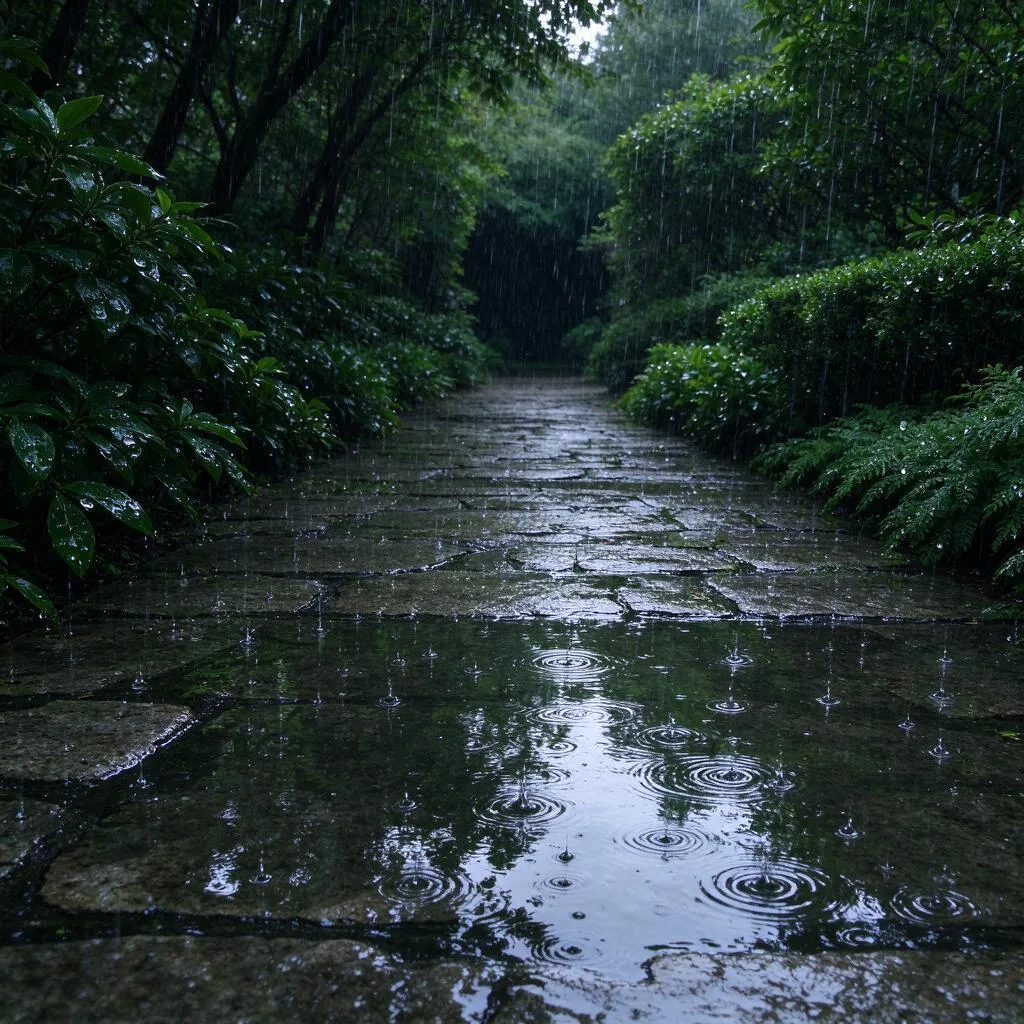
Rain boots serve the ordinary wet day: the walk to work in rain, the path across a wet garden, the yard after a storm, the route that holds puddles long after the rain stops. The use is defined by rain and by ground that stays wet, not by standing in water. A buyer sorting an order should describe the wettest day the boots must serve, the ground under the puddles, and how far the wearer walks. Those three details — the day, the ground and the distance — separate a rain boot order from a wader order, because waders answer a different question: standing in water, not walking through a wet day.
The neighbouring families frame the choice. Rubber boots cover the same wet ground for work use, and the two pages should be read together when the order serves both everyday wet days and work on wet ground. Waders cover water that is stood in, and the comparison of waders and rain boots draws that line in plain terms. Neoprene boots cover long water work. A buyer who starts from the day — the rain, the puddles, the path — and then checks the neighbouring pages will place the order in the right family without needing to know any product detail in advance.
Sorting an order by wet days
Sort the order by the wet days and the wearer groups. For each group, note the ground, the depth of the puddles, the distance walked and the hours the boots are worn. Note whether the wearer walks mainly on paths, on grass, on gravel or on hard surfaces, and whether the day includes stepping through water that collects in low ground. State the quantities for each group and mark estimates as estimates. If the order serves more than one place, keep the places separate in the item list, because a path that floods and a yard that only gets wet in rain are different uses even when they sit in the same order.
The season shapes the order as much as the rain. A wet day in a mild season and a wet day in a cold season ask different questions, and the inquiry should name the season and the cold the wearer will face. State the destination market in the same message, and name any documents to be requested alongside it. Certificates are available upon request. Name the documents to be requested for that market in the same message, and keep any documents received with the quote instead of chasing them after the order is placed.
What to confirm before ordering
Before ordering, confirm the questions that belong to the wet day. Confirm how the boots suit the depth of water the wearer will step through, confirm what to check about the ground, and confirm how the boots are cleaned and dried after a wet day. If the wearer will move between rain, puddles and dry indoor ground, say so in the inquiry and confirm how that change should be handled. Ask these questions in the same message as the item list and quantities, and keep any answers received with the quote, so the order is decided on the day the boots must serve rather than on a description written for a different day.
Related pages
Send an inquiry
Describe the wet days and the ground, then send your item list and quantities for a quote.