
Snow Boots
Snow boots are a listed family of Hangzhou Fujie Outdoor Products Inc.: boots for snow and cold, where the wearer walks on snow, stands on frozen ground and spends hours outdoors in winter weather. This page stays at family level and helps a buyer describe the snow and the cold before writing an item list.
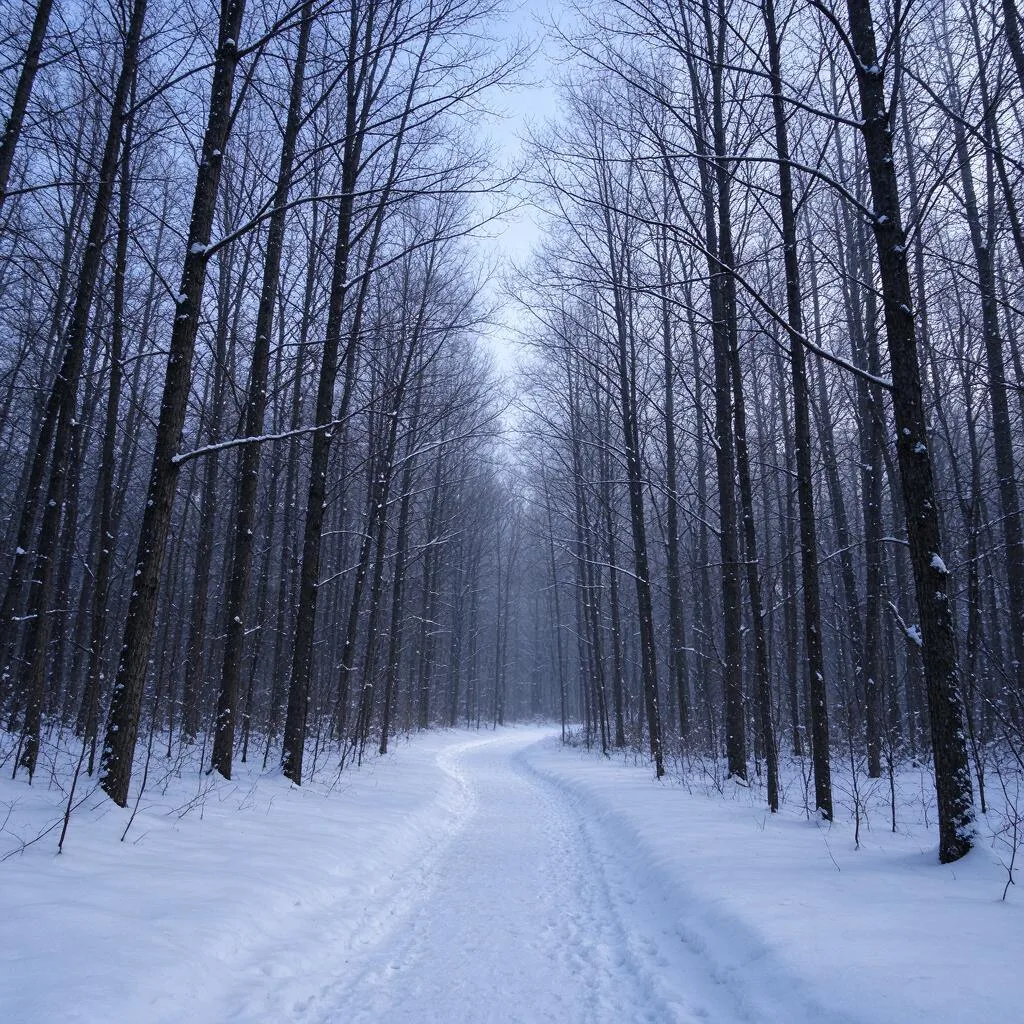
Where snow boots are used
Snow boots serve the winter day in all its forms: paths through fresh snow, frozen yards, town streets after snowfall, and outdoor work or leisure that keeps the wearer out in cold air for hours. The description that matters is the snow and the cold together: how deep the snow gets, whether the ground under it is frozen hard or turns to slush, how cold the air is, and how long the wearer stays out. A buyer who describes the winter day in those terms puts a real picture of the winter day in the inquiry. A buyer who only writes the family name leaves the cold itself undescribed, and the cold is the whole point of the family.
The winter boots guide is the companion page for the wider winter use, and the two pages should be read together. This page covers the snow boots family itself. The guide covers how to think through a winter order: the ground, the hours, the wearer groups and the questions to confirm. Hiking boots belong in the same reading when the winter use includes walking on trails, because the ground under snow on a trail is a different question from the ground on a cleared path. The comparison pages help when the choice is still open between two families, and the inquiry should say which pages were compared.
Sorting an order by snow and cold
Sort the order by the winter conditions each group of wearers will face. For each group, note the depth of snow, the state of the ground under it, the cold, the hours outdoors and the distance walked. Note whether the wearer walks mainly on cleared paths, on uncleared snow or across mixed ground, and whether the day includes standing still outdoors, which changes the questions even when the snow looks the same. State the quantities for each group and mark estimates as estimates. If the order serves more than one winter pattern, keep the patterns separate in the item list, because a short walk on cleared paths and a full day on deep snow are different uses.
The destination market belongs in the same message, with any documents to be requested named alongside it. Certificates are available upon request. State the season in plain terms — the months, the coldest part of the day, the hours of daylight the wearer faces — rather than assuming a label covers it. A buyer who describes the snow, the cold, the hours and the market together puts the whole winter in a single message, and any confirmations received can be kept with the quote.
What to confirm before ordering
Before ordering, confirm the questions that belong to snow and cold. Confirm how the boots suit the depth of snow and the state of the ground described, confirm anything about frozen ground, slush or wet snow, and confirm how the boots are cared for after a day in snow. If the wearer stands still outdoors for long stretches, say so and confirm what applies to that pattern. Put these questions in the inquiry, in the same message as the item list and quantities, and keep any answers received with the quote. This site publishes no cold rating and no specification for any snow boot, so keep any confirmation received, and any documents received, with the quote.
Related pages
Send an inquiry
Describe the snow and the cold, then send your item list and quantities for a quote.