
Outdoor Trip Packing: Boots, Tents and Fishing Gear
Packing for an outdoor trip is a sorting job, not a shopping list. This guide sorts a trip by ground, water, camp and group, and shows how boots, tents and fishing gear each get their own list — all at family level, with no item specification published for any of them.
Sort the trip before sorting the lists
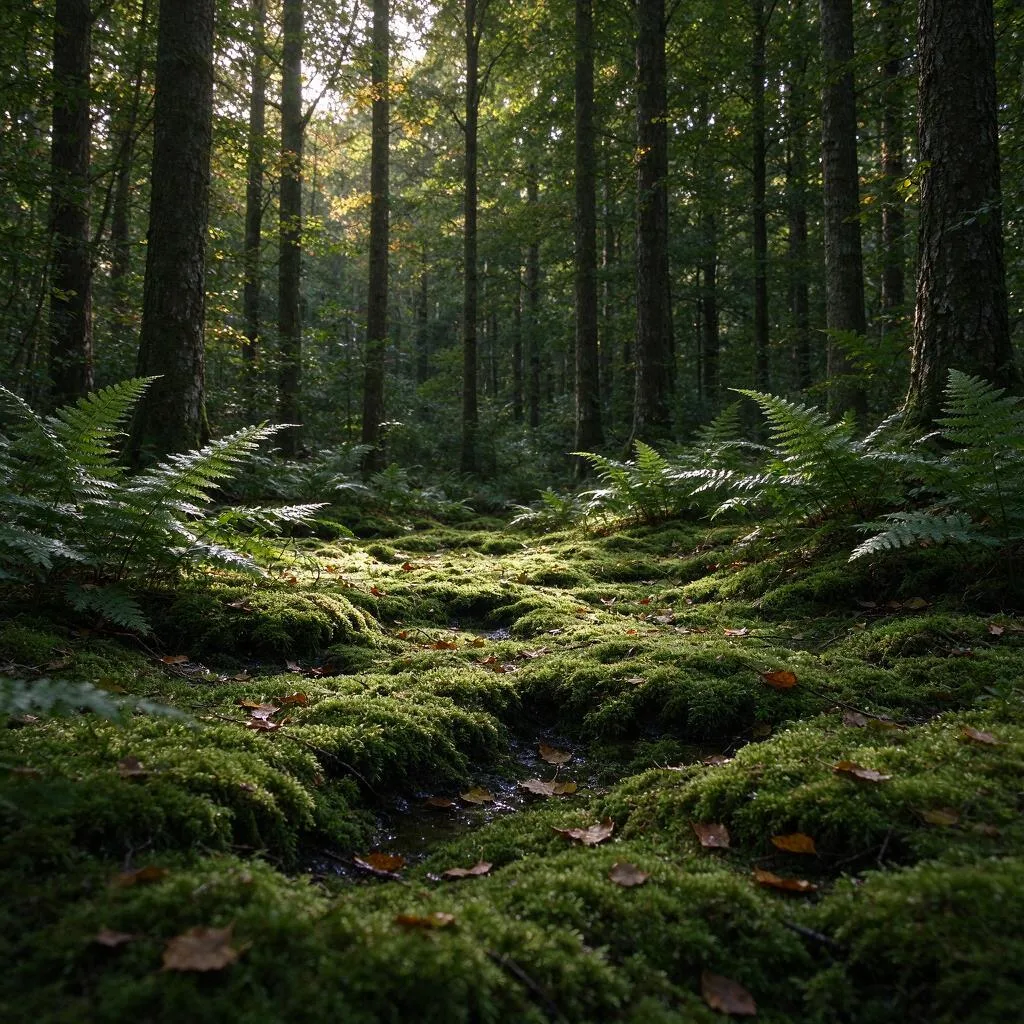
A trip should be sorted before any list is written. Describe the trip in four parts: the ground the group will walk, the water the group will meet, the camp where the group will stay, and the group itself. The ground covers trails, woodland, fields, wet paths and any steep or rocky sections. The water covers rivers, lake edges, marshes and any water the group will stand in or cross. The camp covers where the group sleeps and gathers, the ground it stands on, and the season and weather. The group covers how many people travel, how they divide across the trip, and what each part of the group does. A trip described in those four parts can be packed list by list, and each list covers its own part of the trip.
The four parts should be described in the same order every time, so the lists can be checked against the trip without re-reading it. Write the ground first, the water second, the camp third and the group fourth, in plain words, for the whole trip. If the trip changes ground, water or camp partway through, describe each part separately, because a trip that crosses from woodland to marsh, or from a lakeside camp to a woodland camp, is two trips for packing purposes. A buyer packing for a group should describe the trip once, completely, and then write the lists from the description, rather than writing the lists from memory and discovering the missing part of the trip afterwards.
The boots list: ground, water and distance
The boots list follows the ground and the water. For each part of the trip, note the ground, the distance walked in a day, the load carried, the water met — rain, puddles, shallow standing water, or water stood in — and the hours outdoors. Match each part to the family page that serves it: rubber boots and rain boots for wet ground and wet days, neoprene boots for long water work, waders for standing in water, hunting boots for hunting ground, snow boots for snow and cold, hiking boots for trails. If one part of the trip calls for two families, split the boots list by part, and keep the water description with the part it belongs to, so each part carries its own water description in the inquiry.
The comparison and guide pages earn their keep on a trip order. The comparison of waders and rain boots settles whether the water is stood in or walked through. The comparison of rubber boots and neoprene boots settles wet ground against long water work. The hiking comparison guide settles the trail question. The guides for waders, work boots, winter boots and safety boots settle the step-by-step questions for each use. A buyer packing a trip should read the guides that match the open questions in the trip description, note which pages were read, and say so in the inquiry, and state the settled choices in the inquiry, with the pages read named in the message.
The tent list: camp, group and season
The tent list follows the camp. For each camp on the trip, note the ground it stands on, the season and weather, the group it serves, and the pattern of use through the day and night. Keep the tent list separate from the boots list, and keep the accessories list separate again: stakes for holding the tent down, sleeping mats for rest on the ground, and lights for the camp after dark, each listed under the camp it serves. The camping tent checklist blog sets out the camp questions at greater length for bulk buyers, and its four checks — camp, group, season, accessories — are the right checks for a trip tent list as well, applied camp by camp.
If the trip moves camp, the tent list must move with it. State the pattern plainly for each camp: whether the camp stays in one place or moves, how often the tents are put up and taken down, and whether the same tents serve every move. A camp that moves daily asks different questions from a camp that stands, and the inquiry should carry the movement pattern alongside the ground and season, and state what applies to a moving camp as a question in the inquiry. The destination market belongs in the same message as the tent list, with any documents to be requested named alongside it. Certificates are available upon request.
The fishing gear list: water, pattern and group
The fishing gear list follows the water and the fishing pattern. For each water on the trip, note whether it moves or stands, how deep the angler stands if standing in water is part of the fishing, how the angler moves along the water, the hours spent fishing and the season. Match each water to the family page that serves it: fishing gear for the wider fishing family, fly fishing gear for moving water, ice fishing gear for frozen water, and the wader pages when the fishing happens standing in water. Keep the gear list separate from the wader list, each sorted by its own use, and send them together with the water described once, so each list carries its own sorting in the message.
Hunting gear, when the trip includes it, gets its own list as well, sorted by the ground and the hunting day, and kept apart from the fishing list even when the same group hunts and fishes on the same trip. The hunting gear page and the hunting boots page cover those lists at family level, and the guide on choosing fishing or hunting waders covers the choice when the trip crosses from one water to the other. A trip order with four clean lists — boots, tents and accessories, fishing gear, hunting gear — each sorted by its own use, is an order that puts four separate lists in one message. A trip order with one merged list sends one merged list instead of four separate lists.
Quantities, market and confirmations for the whole trip
Quantities for a trip order should be stated list by list, in plain terms, with the group behind each quantity named. State how many people each list serves, how the quantities split across the parts of the trip, and which figures are firm and which are estimates. State the destination market once for the whole inquiry, with any documents to be requested named alongside it. Ask the confirmation questions list by list: the ground and water questions for the boots, the camp and season questions for the tents, the water and pattern questions for the gear, and the care and first-use questions for each list. Put every question in the same message as the item lists, and keep any answers received with the quote, list by list.
Packing for an outdoor trip, done this way, is a calm job. The trip is described once, in four parts. Each list covers its own part. Each question is asked in the same message as the lists. Keep any answer received with the quote. No list claims a specification this site does not publish, and no part of the trip is packed from memory after the other parts have gone. A buyer who packs by sorting the trip first will find that the lists write themselves from the description, and that each list can be checked against the description of the trip itself. That is the whole method, and it works for a single trip as well as it works for a bulk order.
Related pages
Send an inquiry
Sort the trip by ground, water, camp and group, then send your item lists and quantities for a quote.