
Neoprene Boots for Wet Work: What to Confirm Before Ordering
Neoprene boots serve work that stays in or beside water. This guide sets out what a buyer should confirm before ordering: the water, the hours, the ground under the water, the season, and the care after a day in water — all at family level, with no rating claimed for any boot.
Name the water before naming the order
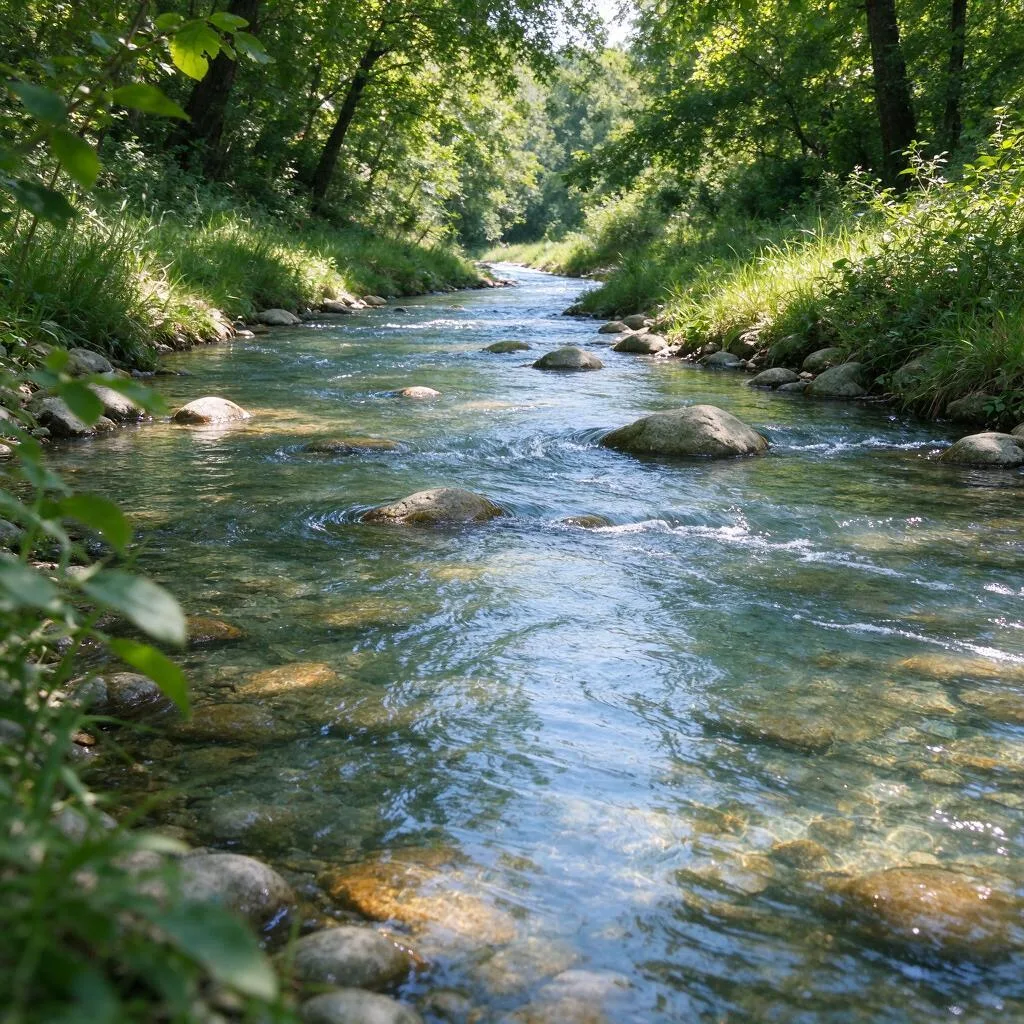
Wet work fails as a description because it covers too much. A riverbank in a mild season, a marsh edge in a cold season, and a lake shore where the wearer moves between water and bank all count as wet work, and they ask different questions. The first confirmation is therefore the water itself: how deep it is, whether it moves or stands, how long the wearer stays in it, and what the ground under the water feels like. Describe the water in those four terms, in plain words, for each group of wearers in the order. A buyer who names the water first puts the setting to confirm in the inquiry. A buyer who only names the family leaves a question unstated in the inquiry, and the order waits while that question is clarified.
Depth should be described at its deepest, not at its average, and duration should be described at its longest, not at its typical. A day that includes one deep stretch and many shallow stretches must be confirmed for the deep stretch, because the deep stretch is what the order must serve. The same rule applies to the hours: a day that includes a long stretch in water must be confirmed for the long stretch. State the deepest water and the longest time in water for each group, and mark anything that varies through the day as varying, with the range stated plainly. State the hardest water and the longest hours in the inquiry, and keep any confirmation received with the quote.
The ground under the water
The ground under the water is the part of the description most often left out, and it is the part the wearer meets with every step. Stones, mud, reeds, gravel and hard edges each present a different day, and a bed that drops away or a bank that is hard to climb changes the pattern of the whole day. Describe the bed in plain words, and describe the bank the wearer climbs in and out on: how steep it is, what it is made of, and whether it stays firm when wet. If the wearer moves between water and dry ground often, say so, and describe both grounds, because a day that alternates between water and dry ground asks different questions from a day spent entirely in water.
The season belongs with the ground and the water. A bank in a dry season and the same bank in a wet season are different grounds, and a river in a mild season and the same river in a cold season are different waters. State the season, the hours outdoors and the cold the wearer will face, in plain words about the months and the coldest part of the day. The neoprene boots page and the neoprene waders page both ask for the same description, and the comparison of rubber boots and neoprene boots helps a buyer settle which family the pattern calls for. Read those pages before writing the inquiry, and carry the description across unchanged, so the inquiry and the pages agree.
Hours, wearer groups and the split of the order
Wet work orders often serve more than one group, and the groups often face different water. Sort the order by water and by group, with one block per group: the water, the hours, the ground, the season and the pattern of moving between water and bank. State the quantities for each block, marking estimates as estimates, and keep the blocks separate rather than merging them into a single total. A merged total hides the hardest water; put the sorting by water and by group in the message. A sorted order shows at once whether one family covers every group or whether the order must split between boots and waders, and it keeps the confirmation questions tied to the group they belong to.
The destination market belongs in the same message as the sorted order, with any documents to be requested named alongside it. Certificates are available upon request: name the market and the documents required, and ask for the documents themselves. Timing questions should be asked directly in the same message — when the order can be ready, and what must be confirmed before that — without assuming any figure, because this site publishes no timing figure. An inquiry that carries the sorted order, the market, the documents and the timing questions together is complete in a single message.
Care after a day in water
Care after a day in water should be confirmed before ordering, not discovered after the first delivery. Ask how the boots should be cleaned after a day in water, how they should be dried, and what to check at first wear and after each wet day. Write the care routine the wearers will follow, with a drying place set aside and a simple check note kept for anything found. The rubber boots care blog sets out cleaning, drying and storage routines at greater length, and its routines apply in spirit to any boot that works in water, even though the boots themselves differ. A buyer who asks about care before ordering can put the care questions in the inquiry, instead of improvising a routine after the first wet week.
Asking for written confirmations, not just the order
A wet work inquiry should also ask for written confirmations. Ask in the inquiry for written confirmations, in the same message, so the buyer can check the water description, the ground description and the care routine together before the order is placed. If a follow-up question about the water is received — a depth that needs clarifying, a bank that needs describing more fully — answer it with the same plain words, and keep any exchange received with the quote. Keep any exchange received with the quote, and carry the water, the hours and the ground in the inquiry in full.
The same care applies to any change after the inquiry is sent. If the water changes — a river rises, a season turns, a group is added — state the change plainly in a follow-up message and ask what changes with it, before the order is placed. Do not let a changed water travel silently into an order written for the old water. The neoprene boots page, the neoprene waders page and the waders pages all describe the same water in the same terms, so an update can be written once and understood everywhere. Keep the updated description with the quote, alongside the original, so the order rests on the water as it is, not on the water as it was first described.
The confirmation list for a wet work order is therefore short and complete: the water at its deepest and longest, the ground under it and the bank, the season and cold, the sorted groups and quantities, the market and documents, the timing questions, and the care routine. Put every item on that list in the inquiry, in the same message, and keep any answers received with the quote. Neoprene boots for wet work are a good order when the water has been described honestly and the confirmations have been received before the order is placed. They are a guess when the water has been described only as wet work. This guide exists to make sure the order is the first kind, not the second.
Related pages
Send an inquiry
Confirm the water, the hours and the ground, then send your item list and quantities for a quote.