
Camping Tent Checklist for Bulk Buyers
A bulk tent order is a camp order, not a tent order. This checklist walks a bulk buyer through the camp, the group, the season, the accessories that travel with the tents, and the confirmations to seek before ordering — all at family level, with no tent size or specification published.
Check one: the camp and the ground
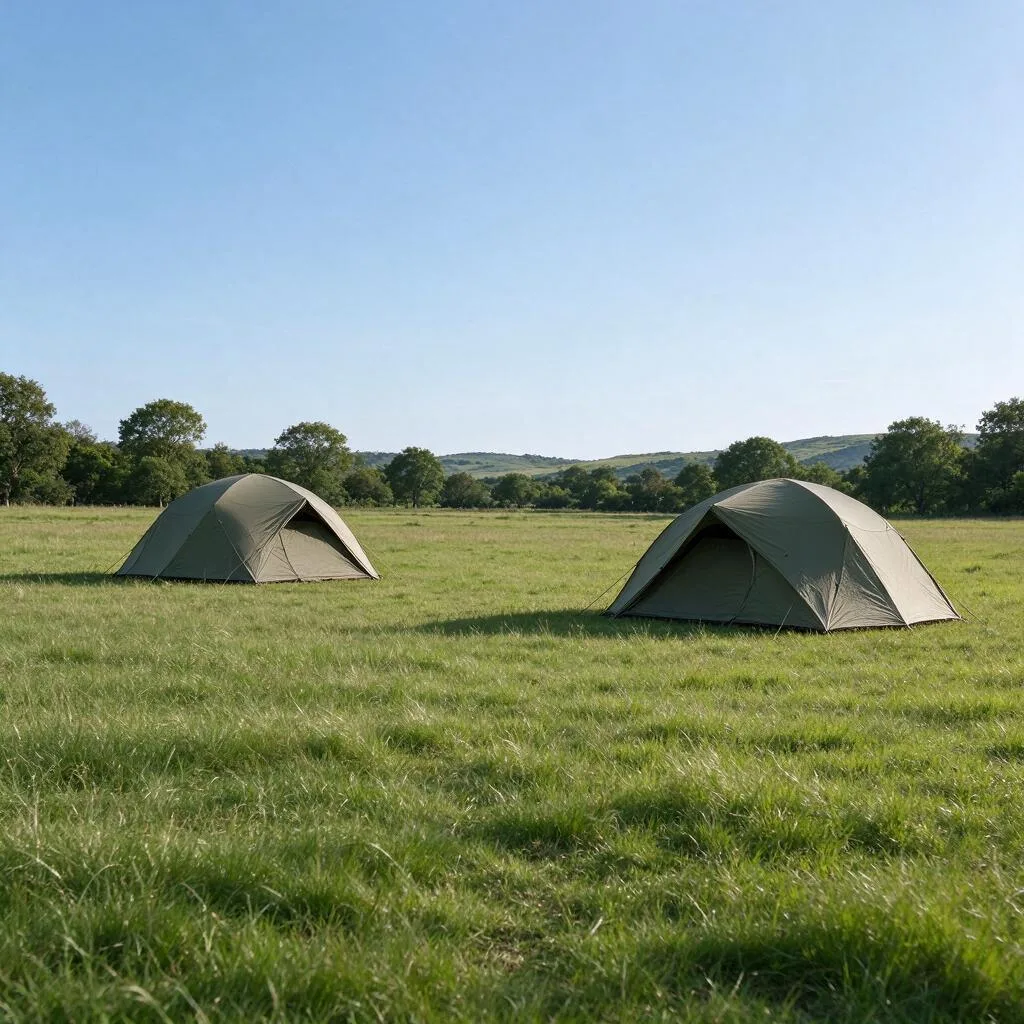
The first check is the camp itself. Where will the camp stand, and what is the ground? A woodland clearing, a grassy field, a lakeside pitch and a hard pitch are four different camps, and the ground under each — grass, soil, gravel, a hard surface, ground that holds water after rain — decides questions that no tent description can answer alone. Describe each camp in the order separately, with the ground in plain words and the weather the camp must face: rain, wind, cold, or a mild season with occasional showers. If the order serves more than one camp, keep the camps separate on the checklist, because a checklist that merges two camps into one line will hide the camp that needs the most care.
The second part of the camp check is movement. Does the camp stay in one place, or does it move? A camp that stands for a season asks different questions from a camp that is put up and taken down often, and a camp that moves daily asks different questions again. State the pattern plainly for each camp, with how often the tents are put up and taken down, and whether the same tents serve every move or different tents serve different camps. The tent stakes page, the camping sleeping mat page and the camping light page all ask for the same camp description, so the checklist should carry it once and reuse it across the lists.
Check two: the group and the pattern of use
The second check is the group. How many people must the camp serve, and how do they use the tents? State the group size, whether the group sleeps, gathers or both in the tents, and how the group divides across the camp — one group together, or several smaller groups each needing their own space. Do not guess at a tent count or a tent size to fill a gap in the checklist. State the group and the pattern, mark anything undecided as undecided, and describe the camp as a whole in the inquiry. A bulk buyer who states the group honestly puts the camp in the inquiry in full; a buyer who guesses at numbers leaves the camp undescribed.
The pattern of use through the day matters as much as the night. A camp where the group gathers in the tents in the evening, a camp where the tents are only for sleeping, and a camp where the group moves between tents through the day are three different patterns, and each asks different questions of the accessories as well as the tents. Describe the day: the morning, the evening, the night, and what the group does between them. The camping accessories page divides the accessories by job — stakes, mats, lights — and the checklist should list the jobs under the camp description, so each job can be confirmed on its own terms.
Check three: the season and the weather
The third check is the season and the weather, described for each camp separately. State the season in plain terms — the months, the coldest nights, the wettest weather — rather than assuming a label covers it. State the wind and rain the camp must face, and whether the ground holds water after rain, because wet ground and wind change the questions for stakes and for the camp as a whole. If the camps in the order face different seasons, keep the seasons separate on the checklist, and say which camp faces the hardest weather, with the hardest camp described first in the checklist.
The season check also covers the dark. State how early darkness comes and how long the light must serve, because the camping light page asks for the camp after dark as its own description: the layout, the hours of darkness, and the activities after dark. A bulk order that includes lights should carry the dark description alongside the tent description, so the two lists carry the same camp description in the inquiry. The outdoor trip packing blog covers how tents, boots and gear travel together on a trip, and it is worth reading when the tent order is part of a wider trip order.
Check four: accessories, quantities and the market
The fourth check is the accessories and the quantities. List the jobs the accessories must serve at each camp — holding the tent down, sleeping on the ground, light after dark, and any other job described in its own words — and state the quantities for each job in plain terms: how many tents the stakes serve, how many sleepers the mats serve, how many lit areas the camp needs. Mark estimates as estimates. Keep the tent list, the accessories list and any boot or gear list in the same order separate, each sorted by its own use, with the destination market stated once for the whole inquiry. Certificates are available upon request: name the market and the documents required, and ask for the documents themselves.
A worked example: one camp, one checklist
Take a single camp as an example. The camp stands on a grassy field that holds water after rain, in a mild season with wind and showers, serving a group that sleeps and gathers in the tents. The checklist for that camp reads: ground — grass, holds water after rain; season — mild, with wind and showers; group — sleeping and gathering, divided into smaller groups each needing their own space; pattern — the camp stays in one place for the season; jobs — stakes for the wet ground, mats for the sleepers, lights for the gathering place after dark. Each line on that checklist is a fact about the camp, stated plainly, and each line becomes a question in the inquiry. A buyer who can write five such lines for a camp has a complete tent inquiry, and a buyer who cannot write one of them has found the question to settle before ordering.
Now take the same camp with one change: the camp moves every few days. The ground line stays, the season line stays, and the pattern line changes — the tents are put up and taken down often, and the stakes, mats and lights must travel with the group. The checklist now asks different questions of the accessories, and the inquiry should say so, camp by camp. A bulk buyer with several camps should write one five-line checklist per camp, and should compare the checklists side by side before writing the inquiry, because the differences between the camps are the differences to state in the inquiry. Camps that look alike on a map can differ on the checklist, and the checklist is where the difference should be found.
The final check is the confirmations. Before ordering, confirm how the tents suit the ground, season and weather described for each camp, confirm the accessories questions job by job, and confirm what to check when a tent is first put up. Put every confirmation question in the inquiry, in the same message as the item list and quantities, and keep any answers received with the quote. A bulk tent order that has passed all four checks — camp, group, season, accessories and confirmations — is an order that puts all four checks in the inquiry. A bulk tent order that has skipped a check leaves a check undescribed; use this checklist to put every check in the inquiry before sending it.
Related pages
Send an inquiry
Work through the checklist, then send your item list and quantities for a quote.